


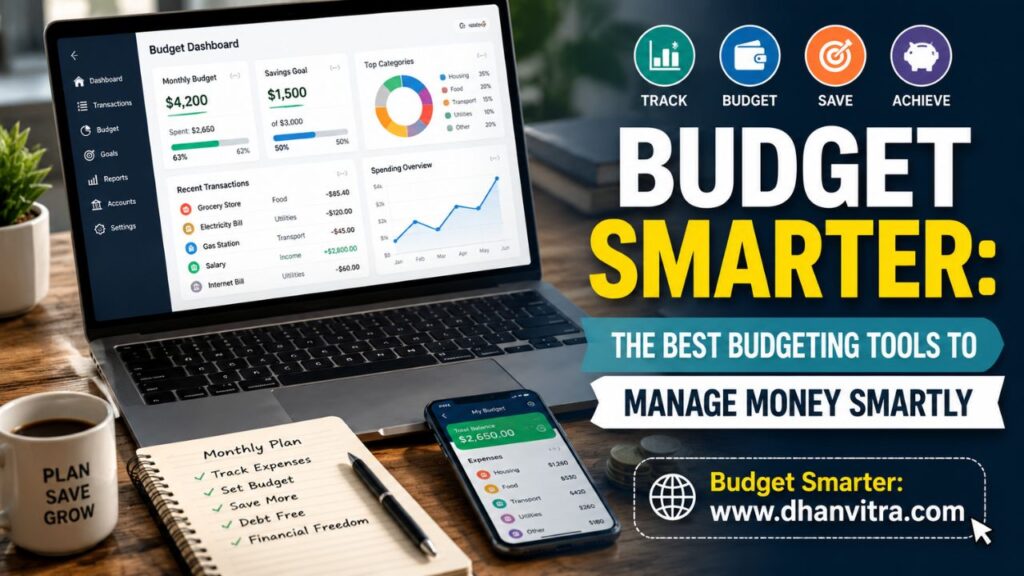
A few daily spends, untracked subscriptions, and impulsive decisions quietly erode financial stability over time. What separates those who stay in control from those constantly playing catch-up is not income alone—it’s clarity. Clear visibility into where money goes is the foundation of every strong financial decision.
That’s where Budgeting Tools step in as practical, everyday enablers of smarter money management. In today’s fast-moving digital economy, relying on memory or rough estimates simply doesn’t work anymore. Structured tools bring discipline, automation, and insight into your finances, helping you track spending, set limits, and align your habits with long-term goals. At Dhanvitra, we consistently see how the right systems can transform not just numbers, but financial behavior itself.
From students trying to manage limited cash flow to working professionals planning investments, the demand for personal budgeting tools has grown rapidly. Many now prefer free online budgeting tools to get started, while couples often turn to the best budgeting tools for couples to manage shared expenses efficiently. Consider a young investor allocating funds between SIPs and monthly expenses—without proper tracking, even a solid investment plan can collapse under poor cash management.
In this guide, you’ll discover carefully selected options, practical insights, and clear strategies to choose what fits your lifestyle best. Whether you prefer simplicity or detailed tracking, the right Budgeting Tools can help you build consistency, avoid financial blind spots, and move toward long-term stability with confidence.
Why Manual Budgeting No Longer Works for Most People
For many people, budgeting once meant writing expenses in a notebook or maintaining a basic spreadsheet. While this approach can still work in theory, it often breaks down in real life. Modern financial lives are simply more complex, with multiple bank accounts, digital payments, subscriptions, and unpredictable expenses. Keeping track of everything manually requires time, consistency, and attention to detail—something most people struggle to maintain over the long term.
Another challenge with manual budgeting is the delay in visibility. When you write down expenses at the end of the day or week, you’re always looking backward instead of making decisions in real time. This delay can lead to overspending without realizing it. In contrast, modern budgeting tools provide instant updates, helping users understand exactly where their money is going at any moment. This shift from reactive to proactive money management is a major reason why digital tools have become essential.
Human behavior also plays a role. Manual systems rely heavily on discipline, and even a few missed entries can make the entire budget unreliable. Over time, people lose motivation because the process feels tedious and unrewarding. This is where online budgeting tools and free online budgeting tools offer a clear advantage by automating much of the work and reducing the effort required to stay consistent.
Ultimately, manual budgeting struggles because it doesn’t fit into today’s fast-paced, digital lifestyle. People need systems that are easy, flexible, and integrated into their daily habits. That’s why more individuals are turning to financial tools for budgeting that simplify the process and make managing money feel less like a chore and more like a natural part of life.
What Are Budgeting Tools and How Do They Work?
At their core, budgeting tools are designed to help individuals track income, monitor spending, and plan for future financial goals. These tools range from simple mobile apps to more advanced platforms that combine budgeting with financial forecasting. Regardless of the format, their main purpose is to give users a clear, organized view of their money so they can make better decisions.
Most modern tools work by connecting to your financial accounts or allowing you to input transactions manually. Once the data is available, the tool automatically categorizes expenses into areas like food, rent, transport, and entertainment. This categorization helps users quickly understand spending patterns without needing to analyze every transaction themselves. Many personal budgeting tools also provide visual summaries, such as charts or monthly breakdowns, which make the information easier to digest.
Another key feature is goal setting. Whether someone wants to save for a vacation, build an emergency fund, or pay off debt, budgeting tools allow users to define targets and track progress over time. Some advanced platforms even fall under budgeting and forecasting tools, offering insights into future cash flow based on current habits. This forward-looking approach helps users plan more effectively rather than simply reacting to past spending.
What makes these tools powerful is their ability to combine automation with personalization. Users can adjust categories, set limits, and receive alerts when they are close to overspending. This flexibility ensures that the system adapts to individual lifestyles. As a result, the best personal budgeting tools don’t just track money—they actively guide users toward smarter financial behavior.
Key Features to Look for in the Best Budgeting Tools
Choosing from the many available options can feel overwhelming, but understanding the right features makes the decision much easier. The best budgeting tools are not necessarily the most complex—they are the ones that align with your financial habits and make money management simpler, not harder. A good starting point is expense tracking. The tool should clearly categorize your spending and provide an easy way to review where your money goes each month.
Another important feature is real-time updates. Tools that sync with your bank accounts or allow quick manual entry ensure that your data is always current. This real-time visibility helps prevent overspending and allows you to adjust your behavior immediately. Many good budgeting tools also include notifications or alerts, which act as gentle reminders when you are approaching your limits.
Goal-setting capabilities are equally valuable. Whether you are saving for a short-term purchase or a long-term financial milestone, the ability to set and monitor goals keeps you focused. Some of the best free budgeting tools offer surprisingly strong goal-tracking features, making them a great starting point for beginners who want to build better habits without paying for premium plans.
Security and ease of use should never be overlooked. Since these tools deal with sensitive financial information, they must offer strong data protection. At the same time, the interface should be simple enough for daily use. If a tool feels complicated, you are less likely to stick with it. The right balance of functionality and simplicity is what truly defines the best budgeting tools in today’s market.
Best Budgeting Tools to Manage Your Money Efficiently
Choosing the right tool depends on your needs, lifestyle, and level of financial awareness. Some people prefer simple apps for daily tracking, while others look for advanced platforms that offer deeper insights. Below is a practical comparison of some of the best budgeting tools to help you get started.
| Tool Type | Best For | Key Features | Cost |
|---|---|---|---|
| Mobile Budgeting Apps | Beginners & daily users | Easy expense tracking, real-time updates, alerts | Free / Freemium |
| Spreadsheet Templates | Manual control lovers | Customizable categories, offline use | Free |
| Advanced Finance Apps | Detailed planners | Forecasting, investment tracking, reports | Paid |
| Couple Budgeting Apps | Shared finances | Joint accounts, shared goals, syncing | Free / Paid |
| Minimalist Tools | Simple tracking | Clean interface, basic expense logging | Free |
Many users today start with budgeting tools’ free versions to understand their needs before upgrading. Free options often provide enough functionality for basic expense tracking and budgeting. However, as financial situations become more complex, users may benefit from upgrading to premium tools that offer deeper insights and automation.
For younger users or those just starting their financial journey, budgeting tools for young adults focus on simplicity and habit-building. On the other hand, couples often benefit from tools designed for shared financial management, making the best budgeting tools for couples a valuable category to explore.
The key is not to chase the most popular tool but to choose one you will actually use consistently. The right tool should feel intuitive, support your financial goals, and fit naturally into your daily routine.
Free vs Paid Budgeting Tools: Which One Should You Choose?
| Aspect | Free Budgeting Tools | Paid Budgeting Tools |
|---|---|---|
| Cost | Completely free to use, making them ideal for beginners or those testing the waters | Require a monthly or yearly subscription, but often come with added value |
| Features | Basic expense tracking, manual entry, and simple reports | Advanced features like automation, goal tracking, investment insights, and detailed analytics |
| Ease of Use | Usually simple and beginner-friendly, with fewer complexities | More feature-rich, which may require a learning curve but offers deeper control |
| Automation | Limited automation; users often need to input data manually | Automatic syncing with bank accounts and real-time expense tracking |
| Customization | Limited customization options | Highly customizable budgets, categories, and financial goals |
| Security | Standard security, but may vary depending on the platform | Typically stronger encryption and premium-level security protocols |
| Ads & Limitations | May include ads or restricted features | Ad-free experience with full access to all features |
| Best For | Beginners, students, or anyone looking for budgeting tools free of cost | Typically, stronger encryption and premium-level security protocols |
Free options are a great starting point, especially if you’re exploring personal budgeting tools for the first time. They help build awareness around spending habits without any financial commitment. However, as your needs grow, you may find these tools limiting, particularly when it comes to automation or deeper financial insights.
Paid versions, on the other hand, are designed for users who want more control and clarity. Many of the best budgeting tools fall into this category because they combine convenience with powerful features like forecasting and goal tracking. Choosing between the two depends on how serious you are about managing your money and how much detail you want in your financial picture.
Best Budgeting Tools for Different Needs
Not all financial situations are the same, which is why the best budgeting tools are those that align with your specific lifestyle. A college student managing a limited income has very different needs compared to a family balancing multiple expenses. Understanding your situation helps narrow down the options and prevents you from choosing tools that feel either too basic or unnecessarily complex.
For young adults just starting, simplicity matters most. Budgeting tools for young adults should focus on expense tracking and habit building rather than overwhelming them with advanced analytics. Tools that offer clean dashboards and easy categorization can make a big difference in building consistent money habits early on. At this stage, even free online budgeting tools can be more than enough to stay on track.
Couples and families often need more collaborative features. The best budgeting tools for couples usually allow shared access, synchronized updates, and clear visibility into joint expenses. This transparency helps avoid misunderstandings and supports better financial planning as a team. Features like shared goals and bill reminders become especially useful when managing household finances.
For freelancers or individuals with irregular income, flexibility is key. Financial tools for budgeting in this category should allow variable income tracking and adaptable spending limits. These tools help smooth out income fluctuations and ensure that essential expenses are always covered, even in uncertain months. Choosing the right tool based on your life stage makes budgeting feel practical rather than restrictive.
Choosing the Budgeting Program That’s Best for You
Choosing from the many available budgeting tools can feel overwhelming at first, especially when each option promises better control over your finances. The key is to start with clarity about your own goals. Are you trying to save more, reduce debt, or simply understand where your money goes each month? Your answer will guide you toward the right type of tool rather than the most popular one.
Your lifestyle and daily habits also play a big role in this decision. If you prefer simplicity and don’t want to spend time entering data, online budgeting tools with automatic syncing may suit you better. On the other hand, if you like being hands-on with your finances, a more manual approach can give you deeper awareness and control. The best personal budgeting tools are not necessarily the most advanced, but the ones you will actually use consistently.
Ease of use should never be underestimated. A tool that looks impressive but feels confusing will quickly be abandoned. Good budgeting tools strike a balance between functionality and simplicity. Before committing, it’s always wise to explore free trials or demo versions. This gives you a real sense of how the tool fits into your routine.
Finally, consider how much detail you truly need. Some people benefit from advanced budgeting and forecasting tools, while others only need a clear snapshot of income and expenses. Choosing the right tool is less about features and more about fit. When a tool matches your behavior and goals, budgeting becomes a natural part of your life rather than a task you avoid.
Step-by-Step Guide to Getting Started with a Budgeting Tool
Getting started with budgeting tools doesn’t require financial expertise, but it does require a bit of honesty about your current habits. This creates the foundation of your budget and ensures that everything else is built on accurate numbers. Whether you’re using one of the best free budgeting tools or a premium option, this step should be done carefully.
Once your income is in place, the next step is tracking your expenses. This is where many people gain their first real insight into their spending patterns. Categorizing expenses into essentials, lifestyle, and savings helps create clarity. Many personal budgeting tools offer automatic categorization, which can save time and reduce manual effort, especially for beginners.
After tracking comes planning. Setting realistic spending limits for each category is crucial. A common mistake is being too restrictive, which often leads to frustration and inconsistency. Instead, your budget should reflect your actual lifestyle while gently guiding you toward better financial choices.
The final step is review and consistency. Regular check-ins, whether weekly or monthly, help you stay aligned with your goals. The real value of budgeting tools comes from this ongoing interaction. As you refine your approach, you’ll find that managing money becomes less stressful and far more intentional.
Setting Unrealistic Financial Goals
One of the most common reasons people struggle with money management is setting goals that simply don’t match their current financial reality. It’s easy to feel motivated after reading about saving or investing, but aiming to save half your income overnight or eliminate all debt in a few months can quickly lead to frustration. Even the best budgeting tools cannot compensate for goals that are disconnected from your actual income, expenses, and responsibilities.
A more practical approach starts with understanding your financial baseline. Before setting targets, take a close look at your monthly income, fixed expenses, and spending habits. Personal budgeting tools can help you track these numbers accurately, giving you a clearer picture of what’s realistically achievable. For example, instead of committing to saving 30% of your income immediately, you might begin with 5–10% and gradually increase it over time.
Unrealistic goals often lead to burnout because they require drastic lifestyle changes that are hard to sustain. When you constantly feel like you’re falling short, it can reduce motivation and make budgeting feel like a punishment rather than a tool for progress. This is where many people abandon even good budgeting tools, thinking the problem lies in the system rather than the expectations.
A better strategy is to focus on small, measurable wins. Set short-term goals that build confidence and create momentum. Over time, these incremental improvements lead to meaningful financial progress. Budgeting is not about perfection—it’s about consistency and making smarter decisions with the money you already have.
Tips to Maximize Results from Budgeting Tools
Using budgeting tools effectively is less about the tool itself and more about how consistently and thoughtfully you use it. Many people download apps or try free online budgeting tools with enthusiasm, but lose momentum after a few weeks. The key to long-term success is building simple habits around your tool rather than relying on motivation alone.
Start by making your budgeting routine part of your weekly schedule. Instead of checking your finances only at the end of the month, review your spending every few days. This helps you catch patterns early and make small adjustments before they turn into bigger problems. Most online budgeting tools offer real-time tracking, which can be incredibly useful if you actually engage with the data regularly.
Another important tip is to keep your system simple. While some financial tools for budgeting offer advanced features, you don’t need to use everything at once. Focus on the basics—tracking income, categorizing expenses, and setting spending limits. Overcomplicating your setup can make the process feel overwhelming, which reduces the likelihood of sticking with it.
Finally, use the insights your tool provides to guide decisions, not just record them. Budgeting tools are powerful because they show trends—where your money is going, where you’re overspending, and where you can improve. When you actively respond to this information, your budget becomes a living system that evolves with your financial life, rather than a static record of past mistakes.
Final Thoughts: Take Control of Your Money with the Right Tools
Managing money well is not about finding a perfect system—it’s about finding one that works for you and sticking with it. The best budgeting tools are the ones that fit naturally into your daily life, helping you make better decisions without adding stress or complexity. Whether you prefer simple tracking or detailed financial planning, the right approach is the one you can maintain consistently.
Many people believe they need advanced knowledge or a high income to take control of their finances, but that’s not true. Even basic personal budgeting tools can create a strong foundation for better money habits. The goal is not to control every rupee or dollar, but to become more aware of how you earn, spend, and save. That awareness alone can lead to smarter choices over time.
It’s also important to remember that your financial journey will evolve. What works for you today may need adjustment in the future as your income, goals, or responsibilities change. Good budgeting tools grow with you, allowing you to refine your strategy without starting from scratch. This flexibility is what makes them valuable over the long term.
If you’re just getting started, don’t overthink it. Choose one of the good budgeting tools available, begin with simple tracking, and focus on consistency. Small improvements in how you manage money can lead to significant results over time. Taking control of your finances starts with a single step—and the right tools can make that step much easier.
Frequently Asked Questions
Are free budgeting tools safe to use?
Most budgeting tools free to use are safe if they come from trusted providers and use secure encryption. Always check for security features like data protection and read privacy policies. Avoid sharing sensitive financial details on unknown platforms, and choose well-reviewed financial tools for budgeting.
Which budgeting tools work best for couples?
The best budgeting tools for couples allow shared access, transparency, and joint goal tracking. Tools that sync accounts and categorize shared expenses help both partners stay aligned. Clear visibility into spending patterns reduces conflicts and improves financial decision-making as a team.
Can budgeting tools help me save money faster?
Yes, budgeting tools help you identify spending patterns and unnecessary expenses, making it easier to save. By tracking where your money goes, you can redirect funds toward savings goals. Over time, this awareness leads to better habits and faster financial progress.
Do I need to link my bank account to use budgeting apps?
No, linking your bank account is optional. Many personal budgeting tools allow manual entry of income and expenses. While linking accounts saves time and improves accuracy, manual tracking can still be effective if done consistently and carefully.
What’s the easiest budgeting method for daily use?
The easiest method is simple expense tracking combined with basic spending limits. Using online budgeting tools, you can categorize daily expenses and monitor totals in real time. This approach keeps budgeting manageable and helps you stay aware without feeling overwhelmed.
How often should I update my budget?
Ideally, you should review your budget weekly and make small adjustments as needed. Regular updates help you stay on track and respond to changes quickly. Consistent monitoring is more effective than waiting until the end of the month to evaluate your finances.









So glad to see budgeting tools getting expert approval! It’s such a relief to know we’re using trusted methods to keep our finances in check. 🙌😊
These budgeting tools sound amazing, especially with the stamp of approval from financial experts! Can’t wait to try them out and take control of my spending! 📊💪
I love how these budgeting tools are backed by financial experts! It’s great to have reliable resources that can help us manage our money better. 💰✨
It’s awesome that these budgeting tools are recommended by professionals! It really makes me feel more confident about managing my finances effectively. 🎉💵
Excited to explore these expert-approved budgeting tools! Having that kind of validation makes all the difference when it comes to handling money wisely. 🏦❤️