Welcome to Dhanvitra, your friendly guide to smarter money choices. If you’ve ever felt confused about where your money goes each month, you’re not alone. Many of us want to save more, spend wisely, and feel in control, but we don’t always know where to start. That’s why budgeting tools are so helpful.
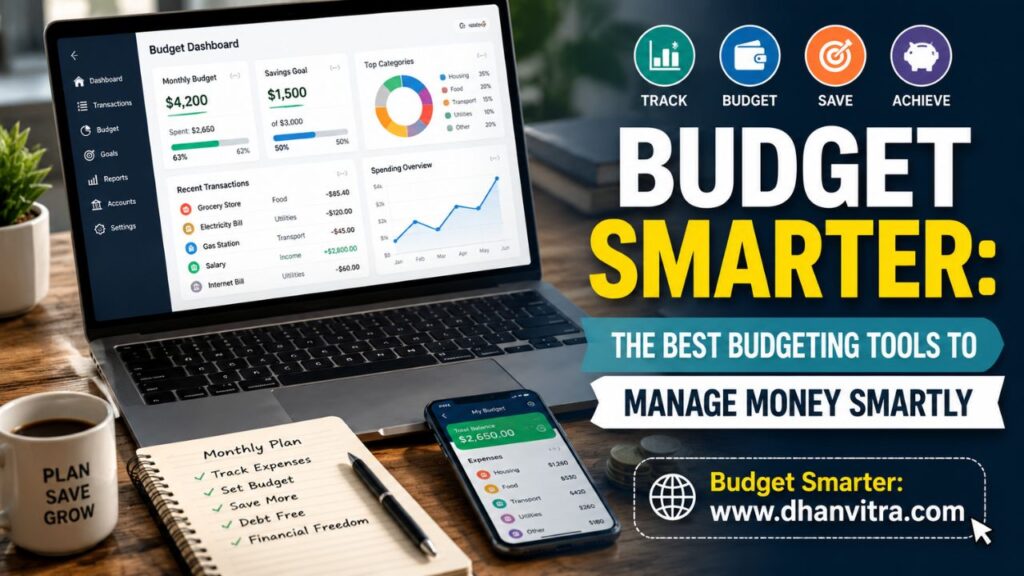
In this blog, we’re diving into “Budget Planner: 15 Must-Know Tools for Smarter Spending.” These tools make budgeting simple, clear, and stress-free. You’ll see how they help you track expenses, manage daily spending, plan monthly goals, and build better financial habits. Whether you’re a student, a young professional, or a family trying to stay on top of bills, these budget planners can make your life easier.
At Dhanvitra, our goal is to give you practical tips, easy guides, and real solutions. We break down financial topics in a simple way so you can take action right away. And today’s topic is perfect for anyone who wants to:
- Save more money
- Reduce unnecessary expenses
- Build a clear monthly budget
- Improve long-term financial health
If you’re ready to take control of your money without stress, you’ll love what’s ahead. Let’s explore the best tools that can help you make smarter spending decisions every single day.
What Makes a Budget Planner Effective?
A good budget planner should feel like a friendly guide, not a complicated tool. It must help you understand your money without confusing charts or complex menus. When a budget planner works well, you should instantly see where your money goes, how much you can spend, and what you need to save. A simple layout makes this easier because you don’t waste time searching for features. You open the app, and everything is right there.
Real-time tracking is another must-have. Your expenses should update the moment you spend money. This helps you stay aware of your financial habits. When you can see your spending in real time, you make better choices. It feels like having a coach next to you, reminding you of your goals.
Automation also matters. A strong budget planner tool should automate tasks such as tracking bills, categorizing expenses, or setting reminders. This saves time and reduces errors. It removes stress because you don’t have to remember every detail.
Cloud sync is helpful too. You should be able to check your budget on any device. If you’re traveling or switching phones, your data should still be safe and accessible. It keeps everything smooth and flexible.
Security is the final key. A reliable budget planner must protect your data with strong encryption. You want your personal information to stay private. When a tool uses top-level security, you can use it with confidence.
15 Must-Know Budget Planning Tools for Smarter Spending
There are many tools that promise to help you manage money better. But only a few stand out for global users. These tools offer easy controls, real-time tracking, and smart financial features. They help you understand where your money goes and how to plan. Whether you’re new to budgeting or already skilled, these tools make spending smarter and saving easier.
1. Mint
Mint is one of the most popular budget planners worldwide. It gives you a clear picture of your money by linking all your accounts in one place. The moment you spend money, Mint updates your budget. It helps you see trends, compare expenses, and understand what drains your wallet. Many people love Mint because it shows everything in a simple dashboard. Mint does it for you and gives easy suggestions to improve your spending habits.
2. YNAB (You Need A Budget)
YNAB uses a unique method where you assign every dollar a job. This means each dollar you earn has a purpose before you spend it. It gives you strong control over your money. YNAB helps you break the paycheck-to-paycheck cycle. It guides you to plan instead of reacting later. The tool may feel new at first, but once you get the flow, it becomes a personal coach for your finances. People who want deeper control and long-term financial stability often choose YNAB.
3. PocketGuard
PocketGuard is great if you want quick answers about your money. It shows how much you can safely spend after covering bills and savings. This amount is called “In My Pocket,” and it updates in real time. It helps you avoid overspending without feeling restricted. PocketGuard connects to your accounts and analyzes your spending automatically. It keeps things light, simple, and stress-free. If you want an app that tells you exactly what you can spend today, PocketGuard is a solid choice.
4. Goodbudget
Goodbudget follows the classic envelope system. Instead of physical envelopes, you create digital ones for categories such as groceries, travel, or bills. This helps you stay within limits without confusion. Couples and families love Goodbudget because it syncs across multiple phones. Everyone sees the same budget, so there are no surprises. It also helps you plan your spending for the future. You understand your limits and track each category with clarity.
5. EveryDollar
EveryDollar uses zero-based budgeting. This means you assign every dollar to a category until your budget balances to zero. It helps you stay intentional with spending. EveryDollar has a clean design that makes budgeting easy. New users can understand it in minutes. It shows where your money goes and sends reminders for bills or due dates. If you are new to budgeting and want a simple system with quick setup, EveryDollar is a great pick.
6. Spendee
Spendee is one of those apps that makes money tracking feel easy and even fun. When you open it, the first thing you notice is the clean and colorful design. It helps you understand where your money is going without feeling overwhelmed. You can create shared wallets with your family or friends, which is great when you split bills or plan a vacation together. Spendee also gives you bright visual charts. They show your spending patterns in a way that makes sense at a glance. You can connect your bank account or add expenses on your own. No matter how you use it, Spendee gives you a clear picture of your budget and helps you stay in control.
7. Honeydue
Honeydue is built for couples who want to manage money together. It keeps things simple so you and your partner can stay on the same page. You can track each other’s expenses, set limits, and get reminders for upcoming bills. The best part is the built-in chat. You can talk about bills, costs, or plans right inside the app. Honeydue also allows you to choose what you want to share. If you want full transparency, go for it. If you prefer privacy for some accounts, you can keep them hidden. This makes Honeydue flexible for all kinds of relationships and spending styles. It removes stress and supports honest money conversations.
8. Wally
Wally is a global favorite because it supports many currencies and languages. This makes it perfect for travelers, international students, or anyone living abroad. The app gives you a simple way to track your income and expenses. You can scan receipts with your phone, and Wally will store the details for you. It helps you stay organized without much effort. The app has a clean and modern look, so you can focus on your money without distractions. Wally gives you full control, whether you want to plan a monthly budget or track daily spending. It keeps everything in one place, so you always know where your money stands.
9. Personal Capital (Now Empower)
Personal Capital, now known as Empower, is more than a budgeting tool. It’s a complete money management platform. You can track your daily spending, check your net worth, and monitor your investments in one dashboard. This makes it a powerful choice for anyone planning long-term goals like retirement, education, or wealth building. The app shows you how your money grows over time. Empower helps you make smarter financial decisions by showing the big picture. If you want a mix of budgeting and investing tools, this is a strong option.
10. Simplifi by Quicken
Simplifi by Quicken lives up to its name. It simplifies your money life with clear visuals and real-time updates. When you open the app, you see what you spent, what you saved, and what you have left. You can also create custom watchlists. For example, if you want to track dining out or shopping, you can set it up in seconds. Simplifi helps you avoid overspending because it shows your limits before you cross them. It’s perfect for busy people who want quick insights without digging into complex charts. The app keeps everything organized and easy to follow.
11. Zeta
Zeta is designed for couples, families, and partners who want to manage money together. It lets you link accounts, track shared expenses, and manage bills as a team. You can set goals together, like saving for a wedding, a trip, or a new home. Zeta also gives you smart suggestions based on your money habits. It helps you stay on track without pushing too hard. The app is flexible, so you decide how much you want to share. Whether you split expenses 50-50 or use your own method, Zeta makes it simple. It keeps your money life calm and organized.
12. Fudget
Fudget is for people who like things simple. There are no complicated charts or extra features. You open the app, add your income, add your expenses, and see what’s left. It works smoothly for people who prefer manual control. Fudget is great for students, freelancers, or anyone who wants a clean and fast budgeting tool. You can make small lists for monthly plans, trips, or events. The app keeps everything light and easy to understand. If you want a no-pressure budget planner, Fudget is a perfect fit.
13. Monarch Money
Monarch Money is built for users who want premium budgeting tools with a strong design. It gives you a dashboard that feels modern and easy to use. You can connect your accounts, track spending, and set long-term goals in one place. Monarch also offers smart insights powered by AI. These insights help you understand your money habits and improve them over time. You can also collaborate with your partner if you want joint planning. Monarch gives you full customization, so you can build a budget that fits your lifestyle. It’s ideal for people who want a polished experience and deeper financial clarity.
14. Rocket Money (Truebill)
Rocket Money, previously known as Truebill, helps you manage your money by finding hidden costs. One of its best features is subscription tracking. It shows all your active subscriptions in one list. Many people forget about unused services, and Rocket Money helps you cancel or negotiate them. The app also gives you smart budgeting options and savings tools. If your bills feel too high, Rocket Money may help bring them down. It works quietly in the background and helps you keep more money in your pocket. It’s a strong tool for cutting waste and improving financial health.
15. Excel & Google Sheets Budget Templates
Excel and Google Sheets are classic budgeting tools that still work better than many apps. You get full control over every number. You can design your own budget layout or use free templates available online. These templates help you track income, expenses, savings, and goals in a clean format. The best part is flexibility. You can change anything anytime and build a system that matches your life. Google Sheets adds cloud access, so your budget stays updated across all devices. Excel offers strong offline power if you prefer working without the internet. Both options are great for people who love customization and simplicity.
How to Choose the Best Budget Planner Tool
Choosing the right budget planner tool can feel confusing at first. But the good news? Finding the right one becomes simple when you know what to look for. Begin by considering your personal goals. Are you trying to save money? Cut daily expenses? Track bills? Or maybe you want to manage your family budget? Your goals guide your choice.
Pay attention to how easy the tool feels to use. If it looks clean, simple, and stress-free, that’s a good sign. You should be able to see your spending, savings, and monthly trends without digging through menus. A good budgeting tool gives you clarity, not confusion.
Next, check how the tool works across devices. Some people like planning on phones. Others prefer laptops. Choose an app that syncs your data everywhere, so you can update your budget on the go. Cloud syncing makes life easier and keeps your budget updated all the time.
Automation is another big factor. A tool that pulls your bank data automatically saves time. You don’t need to enter every expense by hand. It updates your transactions and shows your spending patterns in real time. This makes your budgeting smoother and faster.
Some tools come with extra features like savings goals, subscription tracking, and bill reminders. These may help if you want deeper control. But the tool must still stay simple to use. If it feels heavy, it won’t work for long.
Always check the pricing. Some tools are free. Others have premium plans. Pick one that fits your budget. Many paid tools offer free trials, so test them first.
And don’t forget data privacy. Your financial information is personal. Make sure the tool uses encryption and has a strong reputation. A trusted tool protects your money data every day.
The best budget planner tool is the one that fits your lifestyle, matches your comfort level, and helps you make smarter spending decisions without stress.
Tips for Smarter Spending
Smarter spending starts with awareness. When you know where your money goes, you start making better choices. Begin by tracking everything you spend, even small amounts. It shows you habits you didn’t notice before. Small leaks can drain your budget over time.
Try to set clear limits for yourself. When you know how much you want to spend on food, travel, or entertainment, you stay in control. Limits guide your decisions and help you avoid overspending.
Savings should feel easy, not forced. Automate it if you can. When a part of your income moves to savings on its own, you build a safety net without thinking about it. Even small amounts add up.
Review your spending every week. It takes only a few minutes. But it helps you stay on track. You see what worked and what didn’t. You can adjust quickly instead of waiting until the month ends.
Use simple rules like the 50/30/20 rule. It breaks your money into needs, wants, and savings. It removes confusion and helps you manage your money with confidence.
And remember, smarter spending isn’t about being strict. It’s about spending with purpose. When you choose where your money goes, you feel more in control.
Final Thoughts
Smart budgeting isn’t only about cutting costs. It’s about building a life where money supports you instead of stressing you. When you use the right tools and follow simple habits, managing your money becomes easier.
You don’t need expert knowledge to start. You only need clarity, consistency, and the right tool. Each small step makes your financial life stronger. And once you get used to tracking, planning, and reviewing, you feel more confident with money every day.
Budgeting is a journey. And with the right approach, it becomes a positive one.
FAQs
What is the main purpose of a budget planner tool?
A budget planner tool helps you see where your money goes. It shows your spending patterns. It helps you plan, save, and stay in control of your finances.
Are digital budget planners better than paper budgeting?
Digital tools are easier because they update in real time. They track your expenses automatically. They work across devices and save you time.
Can beginners use budgeting apps easily?
Yes. Most budget apps are simple and clean. They guide you step-by-step. Even first-time budgeters can use them with comfort.
Which budget planner tool is best for families?
Apps like Goodbudget, Honeydue, and Zeta work well for families. They support shared expenses and joint planning.
Do budget planner tools help with saving money?
Yes. They show your spending habits, remind you of bills, and help you set saving goals. When you see your money clearly, you save more.