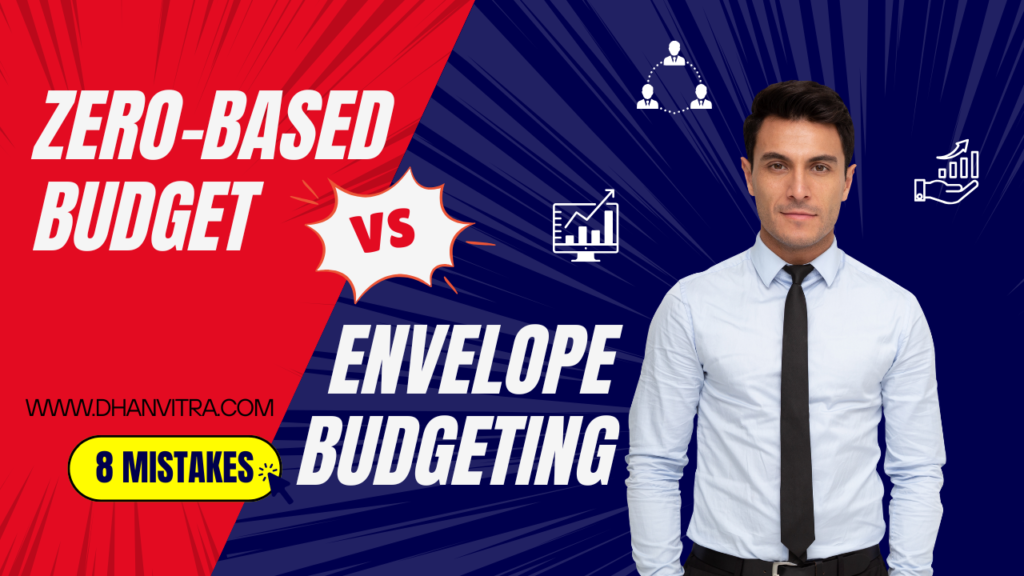
Welcome to Dhanvitra, your go-to place for simple, smart, and practical money guidance. If you’ve ever felt like your income disappears faster than you expect, or you’re tired of guessing where your money goes each month, you’re in the right place. Today, we’re diving into a powerful budgeting method that gives you total control — Zero-Based Budgeting.
Zero-Based Budgeting, or ZBB, is one of the most effective ways to manage money, build savings, and cut unnecessary spending. It’s easy to understand, beginner-friendly, and perfect for anyone who wants a clear plan for every dollar they earn. Whether you’re a student, a working professional, or someone trying to escape debt, ZBB can help you get back in charge of your finances.
What Is Zero-Based Budgeting?
Zero-Based Budgeting means you start each month with a clean slate. You give every dollar a purpose — nothing stays unplanned. If you make $2,500, you plan exactly how that $2,500 will be used. This includes bills, savings, investments, groceries, travel, emergencies, and even fun.
This doesn’t mean you spend all your money. It means you assign all your money. Every dollar gets a job.
Why It Matters Today More Than Ever
Life feels more expensive than ever. Prices keep rising. Subscriptions pile up. And impulse buys happen with one tap.
Zero-Based Budgeting helps you stay grounded. It gives you a clear picture of where your money goes. It reduces financial stress. It helps you avoid overspending. And most importantly, it protects you from the “Where did all my money go?” moment at the end of every month.
In a fast digital world full of distractions, ZBB acts like a financial GPS that keeps you on track.
Who Benefits the Most from ZBB?
The truth? Everyone.
But some people will feel the results even faster:
- Anyone struggling with monthly budgeting
- People living paycheck to paycheck
- Beginners starting their financial journey
- Individuals trying to pay off debt
- Families managing multiple expenses
- Young professionals want stronger financial habits
- Entrepreneurs tracking irregular income
If you want more control, more clarity, and more confidence with your money, Zero-Based Budgeting is for you.
At Dhanvitra, we break down financial topics in a simple, friendly way — so you can take action without feeling overwhelmed. As you move through this guide, you’ll learn the Top 10 Rules of Zero-Based Budgeting and how to use them to achieve massive money control.
How Zero-Based Budgeting Works
Zero-Based Budgeting works by helping you take full control of your money. You begin with zero and build your budget from the ground up. You do not copy last month’s numbers. You look at this month with fresh eyes. This approach makes you aware of every dollar that enters and leaves your life.
The idea is simple. Your income minus your planned spending should equal zero. This does not mean you have no money left. It only means that every dollar has a job. When your money is organised this way, you always know where it goes. Nothing slips through the cracks.
You start by listing your income. Then you write down your expenses. Next, you match your income to your expenses until your plan equals zero. At the end of the month, you compare your budget to your actual spending. You adjust, fix mistakes, and prepare for the next cycle. Over time, this habit builds confidence and control. It helps you grow savings, shrink debt, and make smarter financial choices.
Top 10 Rules of Zero-Based Budgeting for Massive Money Control
Rule #1 — List All Your Income Sources Clearly
Start with the money coming in. Write down every source you have. Think of your salary, freelance work, rental income, commissions, or side hustle earnings. Make sure the numbers are accurate. When you know your total income, you can plan better.
Many people guess their income and end up overspending. Listing it clearly keeps your budget honest. It also stops you from building a plan based on hope. You build it on facts. This gives you a strong foundation for the rest of the budgeting process.
Rule #2 — Categorise Every Expense
Now list your expenses. Break them into categories that make sense for your life. Think of housing, food, transportation, health, savings, and entertainment. You can add or remove categories as you wish.
When you categorise your expenses, your spending becomes easier to understand. You see patterns that were invisible before. You notice where your money flows. This makes it easier to make smart changes. It also helps you stay organised from month to month.
Rule #3 — Prioritise Needs Before Wants
Once your expenses are listed, separate your needs from your wants. Needs are the things you cannot skip. Food, rent, medicines, and utilities fall here. Wants are things you enjoy but can live without.
Many people get stuck because they mix these two. Zero-Based Budgeting forces you to look at them one by one. When you put needs first, you protect your future. You avoid stress. You keep your budget stable even when times are tough. Wants can come later once the basics are secure.
Rule #4 — Give Every Dollar a Task
This is the heart of the system. Every dollar must have a job. You can assign it to bills, savings, debt payments, or investments. Just make sure it has a purpose.
When every dollar is assigned, nothing is wasted. You stop random spending. You stop guessing. You stop wondering where your money went. This gives you massive control over your financial life. It also makes your goals feel real because your money begins working for them every month.
Rule #5 — Use the 50/30/20 Method as Support
Zero-Based Budgeting does not require the 50/30/20 rule, but it can help guide you. The idea is simple. Spend 50% on needs, 30% on wants, and 20% on savings or debt.
This method works like a GPS. It keeps you on the right path. If your numbers look unbalanced, you can adjust them. You can shift money where it needs to be. Over time, this creates a healthier money lifestyle. It also helps beginners understand how to structure their spending.
Rule #6 — Review and Adjust Weekly
A budget is not a one-time activity. You need to check it weekly. Look at what you planned and compare it to what actually happened. If you overspent in a category, adjust. If you saved money in another category, reassign it.
Weekly reviews keep your budget alive. They help you fix mistakes early. They help you stay on track. Life changes fast. Your budget must change with it. This habit gives you peace of mind and protects you from end-of-month surprises.
Rule #7 — Build an Emergency Fund First
Life can be unpredictable. You may face sudden expenses like car repairs or medical bills. This is why your emergency fund matters. Aim to save at least one month of expenses first. Later, you can grow it for three or six months.
Your emergency fund acts like a shield. It protects your budget from breaking. It keeps you from falling into debt. It gives you breathing room when things get tough. With this fund in place, your budget becomes stronger and easier to maintain.
Rule #8 — Kill Debt with Laser Focus
Debt slows everything down. It eats your income. It delays your goals. Zero-Based Budgeting helps you attack it with a plan. Pick one debt and target it. Pay more than the minimum. Once that debt is gone, move to the next.
This method creates momentum. It gives you quick wins. Every debt you eliminate frees up more money for saving and investing. Over time, you feel lighter and more in control. Your monthly budget becomes easier because you have fewer payments to manage.
Rule #9 — Cut Unnecessary Spending
Look at your categories and find items you can remove. Maybe you have unused subscriptions. Maybe you eat out too often. Maybe your online shopping needs a pause. Cutting small items adds up fast.
This rule is not about restricting your life. It is about aligning your spending with your goals. When you cut unnecessary costs, you create space for savings, investments, or experiences that matter more. You also reduce financial stress and gain more flexibility in your monthly plan.
Rule #10 — Track Your Progress Every Month
At the end of each month, review your budget as a whole. Look at what improved. Look at what went wrong. Celebrate your wins, even if they are small. Adjust the next month’s plan based on your results.
Tracking your progress builds awareness. It shows you how far you have come. It keeps you motivated. It also teaches you how to make smarter money decisions. With each month, you get better. You become more confident. And your financial life grows more stable and predictable.
Why ZBB Works Better Than Traditional Budgeting
Zero-Based Budgeting works so well because it gives you real control. Traditional budgeting often guesses where your money will go. You copy last month’s numbers and hope things work out. But life changes fast. Prices rise. Bills shift. New needs pop up. When you keep old numbers, you miss these changes.
Zero-Based Budgeting fixes that. You start at zero every month. You look at your income with fresh eyes. You decide where every dollar goes before you spend it. This way, nothing slips through the cracks.
ZBB also helps you see your habits. Many people spend without noticing. Subscriptions renew. Food delivery apps tempt you. Small charges pile up. With ZBB, you must approve each expense. You become aware of your choices. You see what matters and what does not.
Another reason it works better is flexibility. Traditional budgets feel stiff. If you overspend in one area, the whole plan breaks. With ZBB, you adjust quickly. You move money around. You stay calm and stay on track.
ZBB also builds discipline. You learn to pause before spending. You think about your goals. You create a clear plan for savings, debt, and emergencies. Over time, your money habits improve. Your stress goes down because you know where everything goes.
The biggest benefit is clarity. You no longer feel confused about your finances. You see the full picture each month. You make smarter decisions. You grow more confident with your money.
This is why many people today search for long-tail keywords like “simple zero-based budgeting method for beginners,” “easy budgeting system to control money,” and “how to use zero-based budgeting for financial goals.” It works for students, families, freelancers, and anyone who wants control in a changing world.
Common Mistakes to Avoid in Zero-Based Budgeting
Zero-Based Budgeting is simple, but people still make mistakes when they start. One common mistake is ignoring small expenses. Small costs feel harmless. A coffee. A subscription. A quick snack. But they add up fast. When you skip these in your budget, your numbers get messy. Always enter even the tiny amounts. It keeps your plan accurate.
Another mistake is forgetting to update the budget. Life changes from week to week. You may get a new bill or face a surprise expense. If you do not adjust your budget, it becomes outdated. A zero-based plan needs fresh input. Spend a few minutes each week to check in. It keeps your money flowing in the right direction.
Some people also set goals that are too hard. If your budget is too strict, you may feel frustrated. Budgeting should support your life, not punish it. Be realistic. Leave room for fun, food, travel, or anything that matters to you. When your plan feels fair, you stick with it longer.
Another mistake is not tracking spending daily or weekly. You may forget where your money went. Your budget becomes guesswork again. Stay consistent. Keep the process simple. When you track often, you avoid surprises at the end of the month.
People also struggle when they try to copy someone else’s budget. Zero-Based Budgeting is personal. Your lifestyle, income, and habits are different. Make a plan that fits you. A good budget reflects your choices and goals.
One more common mistake is skipping the emergency fund. Without it, a single unexpected event can break your budget. Even small savings help. Start with whatever you can. Add more later. It brings stability and peace of mind.
How to Start Zero-Based Budgeting Today
Starting Zero-Based Budgeting today is easier than most people think. You don’t need to be a financial expert or a math genius. You just need a clear plan and a little consistency. Let’s keep it simple and friendly so you can begin right away.
Choose the Right Tools or Apps
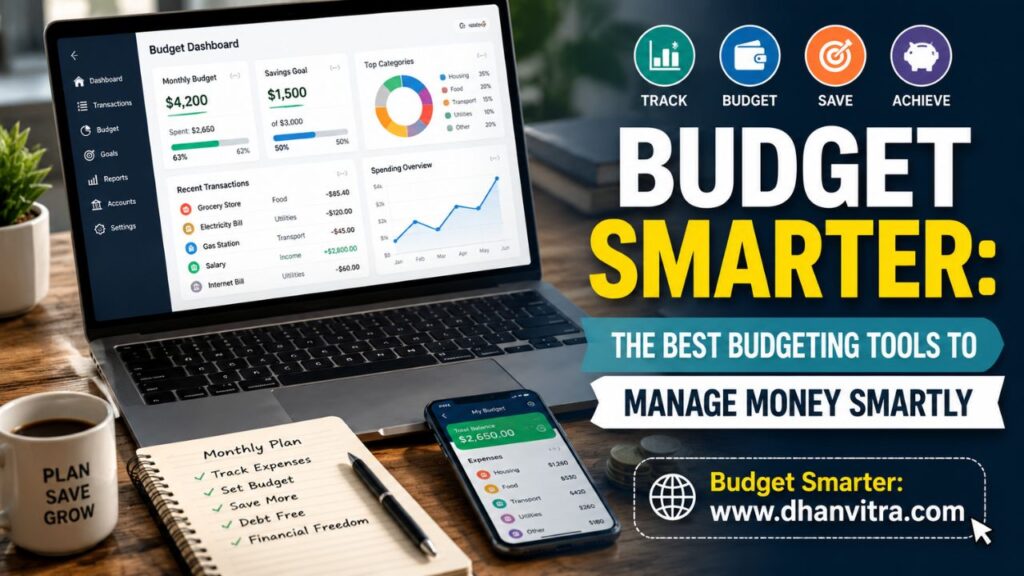
You can start with a notebook, but digital tools make everything smoother. Budgeting apps like YNAB, Goodbudget, or even Google Sheets work great. Pick one that feels comfortable. You should be able to track your income, add categories, and edit your numbers fast. The tool you choose should help you stay organised without stressing you.
Master the Monthly Review Routine
A zero-based budget needs a monthly reset. At the start of each month, write your total income. Then give every dollar a job. Update your spending through the month. Check your numbers every few days. This helps you avoid surprises. If something changes, adjust your plan. A monthly routine helps you stay in control and build better money habits.
Keep Your Budget Flexible and Simple
A zero-based budget is not about perfection. It’s about direction. You don’t need 20 categories. Start small. Use simple labels like food, rent, savings, fun, and travel. Life changes fast, so keep your budget flexible. If your priorities shift, your money plan should shift with you. A flexible budget helps you stay consistent, even when things get stressful.
Conclusion
It helps you understand where your income goes and why it matters. When you assign a purpose to every dollar, nothing gets wasted. You build discipline, save more, and reach your goals faster. Money becomes a tool, not a burden. With a fresh start every month, you stay focused and confident. This method works for anyone, at any income level, anywhere in the world. Start today, stay consistent, and watch how your financial life transforms.
FAQs
Is Zero-Based Budgeting hard for beginners?
No, it’s simple once you understand the idea. You assign every dollar a task. With practice, it becomes natural.
Do I need apps to create a zero-based budget?
Not at all. You can use a notebook, spreadsheet, or any budgeting tool you like. Apps just make it faster and easier.
Can Zero-Based Budgeting help reduce debt?
Yes. This method gives you a clear view of your spending. You can direct extra money toward paying off debt faster.
What if my income changes every month?
You can still use this method. Start with your expected income. Adjust your budget when the final amount arrives.
How long does it take to see results?
Most people notice a difference within one or two months. Consistency is the key. The more you stick to it, the better the results.